

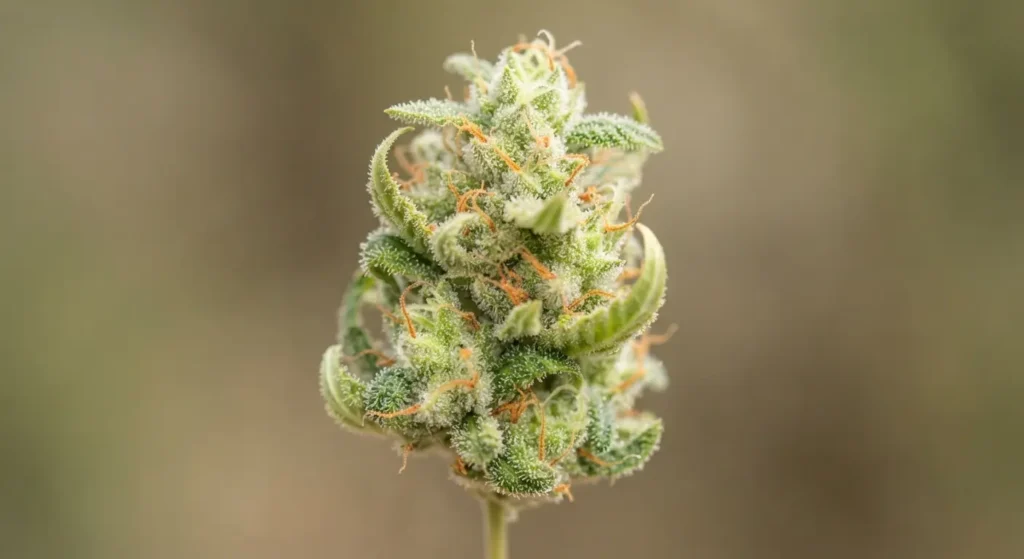
Sativa effects are generally described as energizing, uplifting, and mentally stimulating rather than sedating. Most people report feeling more alert, sociable, and creatively engaged shortly after use. This guide breaks down the science behind that feeling, how long it typically lasts, and why the “sativa” label doesn’t tell the whole story.
Key Takeaways
- Sativa effects are typically energizing and cerebral, driven by the interaction between THC and the plant’s terpenes.
- Smoked or vaped cannabis usually produces noticeable effects within minutes; edibles take 30 minutes to 2 hours.
- Lab research shows “sativa” and “indica” labels are unreliable predictors of a product’s actual chemical makeup.
- Terpenes like limonene, pinene, and linalool may shape the specific feel of a sativa through the entourage effect.
- Every legal product sold in New York carries a lab-tested Certificate of Analysis (COA), which is the most reliable way to know what’s actually in your product.
What Is a Sativa?
Sativa is one of the traditional categories used to describe cannabis plants, alongside indica and hybrid. Sativa plants are typically tall and thin-leaved, originally associated with warm, equatorial growing regions.
Cannabis breeders and retailers have long used “sativa” to signal an energizing, daytime-friendly product. That convention shaped how strains are named, marketed, and shelved in nearly every dispensary today.
The plant-type label is a starting point, not a guarantee. Later in this guide, we’ll look at what the research actually says about how reliable that label is.
Common Sativa Effects
People who use sativa-labeled products commonly report the following effects:
- Energized: A sense of alertness rather than sleepiness.
- Uplifted: An improved, brighter mood.
- Creative: Easier mental flow for brainstorming or artistic work.
- Focused: Sharper attention for a task at hand, for some users.
- Social: More talkative or comfortable in group settings.
Reported effects vary widely from person to person. Body chemistry, tolerance, dose, and the specific product’s cannabinoid and terpene profile all shape the actual experience.
The Science Behind a Sativa High
Two plant compounds do most of the work behind a sativa’s characteristic feel: cannabinoids and terpenes.
THC and Cannabinoid Receptors
THC (tetrahydrocannabinol) is the primary psychoactive compound in cannabis. Its chemical structure closely resembles anandamide, a compound your body produces naturally, which lets THC bind to the same cannabinoid receptors anandamide would normally activate.
These receptors sit in brain regions that control pleasure, memory, concentration, movement, and coordination. When smoked or vaped, THC reaches the brain and produces effects almost immediately. Eaten or drunk, THC is absorbed more slowly through the digestive system, so effects generally take 30 minutes to an hour to begin.
Short-term effects can include an altered sense of time, mood changes, increased appetite, and a faster heart rate. In some users, or at higher doses, they can also include anxiety, distrust, or panic, which is one reason starting with a low dose matters.
Terpenes That Shape the Experience
Terpenes are the aromatic compounds responsible for cannabis’s smell and flavor, and they’re found throughout the plant kingdom, not just in cannabis. A 2011 review in the British Journal of Pharmacology proposed that terpenes interact with cannabinoids to shape the overall experience, a concept known as the entourage effect: the idea that a plant’s compounds work together rather than acting alone.
Later lab research supports that idea. A 2021 study found that terpenes including linalool and β-pinene activate the same CB1 receptor that THC does and can amplify cannabinoid activity in animal models. A 2023 study went further, finding that terpenes like limonene and linalool boosted THC’s activity at the CB1 receptor several-fold, even at very low concentrations.
Sativa-leaning products are often higher in terpenes like limonene (citrus-scented) and pinene (pine-scented), which some consumers associate with a brighter, more alert feeling. Indica-leaning products more often lean on myrcene, associated with a heavier, more body-forward sensation. The cannabinoid and terpene combination, not the sativa or indica label alone, is what actually drives the effect.
Sativa vs. Indica vs. Hybrid: Why the Label Only Tells Part of the Story
For decades, dispensaries have sorted products into sativa, indica, and hybrid, promising fairly predictable effects for each. Current research complicates that picture.
A 2021 genetic and chemical analysis of hundreds of cannabis samples, published in Nature Plants by researchers at Dalhousie University, found that sativa- and indica-labeled samples were often genetically indistinguishable from one another. The same study found that even strains sharing an identical name, like two products both called “OG Kush,” could be more chemically different from each other than from products with entirely different names.
A larger 2022 study in PLOS One, analyzing nearly 90,000 commercial samples across six states, reached a similar conclusion. Commercial indica, sativa, and hybrid labels “do not consistently align with the observed chemical diversity” of the actual products. That research found cannabis tends to sort into three chemical groupings based on terpene combinations, and those groupings cut across the traditional labels rather than matching them.
None of this means the sativa label is useless. It’s a helpful shorthand and a reasonable starting point for a budtender conversation. It does mean the label alone won’t guarantee a specific experience, which is why checking a product’s actual lab results matters more than the category name on the jar.
How Long Do Sativa Effects Last?
Onset and duration depend heavily on how you consume the product, not just which strain you pick.
| Method | Typical Onset | Typical Duration |
|---|---|---|
| Smoking flower | Almost immediate to a few minutes | 1 to 3 hours |
| Vaping flower or concentrate | Almost immediate to a few minutes | 1 to 3 hours |
| Edibles (food or drink) | 30 minutes to 2 hours | Several hours, sometimes longer |
Inhaled cannabis reaches the bloodstream through the lungs quickly, which is why effects show up fast and fade faster. Edibles pass through the digestive system and liver first, so onset is slower, but the effects tend to last longer once they begin. Detectable THC can linger in the body for days or weeks after use, well after any noticeable effects have worn off.
Responsible Use and Possible Side Effects
Sativa effects aren’t universally pleasant for every user at every dose. A measured approach helps you get the daytime lift you’re after without an unwanted comedown.
Common side effects to watch for include a faster heart rate, dry mouth, dry eyes, and increased appetite. Some users, especially at higher THC doses or with lower tolerance, report anxiety or a racing, jittery feeling instead of the intended uplift.
A few practical habits help most people avoid the rough edges:
- Start with a low dose, especially with an unfamiliar product, and wait before taking more.
- Wait at least 2 hours after an edible before considering a second dose, since onset is slow and easy to misjudge.
- Keep water nearby, and avoid combining cannabis with alcohol or other substances.
- Never drive or operate machinery after use, and never consume around anyone under 21.
These effects usually resolve on their own as the THC wears off. If you have questions about cannabis and a medical condition or medication you take, talk with a physician before use.
Sativa vs. Indica vs. Hybrid at a Glance
| Feature | Sativa | Indica | Hybrid |
|---|---|---|---|
| Commonly reported feel | Energizing, cerebral | Relaxing, body-forward | Blend of both, varies by product |
| Common terpenes | Limonene, pinene | Myrcene | Varies |
| Typical time of use | Daytime | Evening | Either, depending on the product |
| Label reliability | Moderate (check the COA) | Moderate (check the COA) | Moderate (check the COA) |
Treat this table as a starting point for a conversation with your budtender, not a guarantee. The lab-tested cannabinoid and terpene percentages on a product’s Certificate of Analysis will always be more specific than the category name.
Choosing the Right Sativa
New York requires every legal cannabis product to pass independent lab testing before it reaches a shelf. Testing labs must hold ISO/IEC 17025 accreditation and cannot have ownership ties to the businesses whose products they test, which keeps results independent.
That testing produces a Certificate of Analysis, or COA, listing the product’s actual cannabinoid and terpene percentages. Reading a COA, rather than relying on the sativa label alone, is the most reliable way to predict how a specific product will actually feel.
If you’re not sure where to start, our budtenders at Fishkill Cannabis can walk you through a product’s COA and terpene profile in plain language, whether you’re shopping in-store or picking up through cannabis delivery. For a broader primer on cannabinoids, terpenes, and consumption methods, our cannabis basics guide is a good next stop.
Finding Your Daytime Strain
Sativa effects come down to a specific mix of THC, terpenes, and your own body chemistry, not a single category label. Understanding that mix is the fastest way to find a product that actually delivers the daytime lift you’re looking for.
The next time you’re shopping, ask to see the COA before you ask whether something is a sativa. It’ll tell you far more about how the product is likely to feel.
Explore Fishkill Cannabis’s Sativa Selection
Fishkill Cannabis carries a rotating lineup of lab-tested sativa flower, vapes, and edibles, sourced from trusted New York growers. Browse today’s sativa menu online, or stop by our Fishkill location and let our team help you find your match.
Frequently Asked Questions
Do sativa strains really give you more energy than indica strains?
Many users report that sativa-leaning products feel more energizing, but the effect depends heavily on the specific product’s cannabinoid and terpene content, not the sativa label alone. Checking the Certificate of Analysis gives a clearer picture than the category name.
Can a sativa make you anxious?
Yes, for some people, especially at higher THC doses or with low tolerance. Starting with a low dose and choosing a product with a terpene profile you’ve tolerated well before can reduce that risk.
How long does it take to feel sativa effects?
Smoking or vaping typically produces effects within minutes. Edibles usually take 30 minutes to 2 hours to kick in, so it’s worth waiting before considering more.
Is it true that sativa and indica are outdated categories?
Peer-reviewed research from 2021 and 2022 found that sativa and indica labels don’t reliably predict a product’s actual chemistry. The categories still serve as a rough, useful starting point, but lab results are more precise.
Where can I check a product’s actual THC and terpene content?
Every legal product sold in New York includes a Certificate of Analysis from an accredited lab. Ask your budtender to walk you through it, or look for the QR code on the package.